
Featured Publications

The relationship of ready-to-eat cereal intake and body weight in adults: A systematic review of observational studies and controlled trials
Lisa M Sanders, Mary R Dicklin, Yong Zhu, Kevin C Maki
Results from observational studies indicate that consumption of ready-to-eat cereal (RTEC) is associated with higher diet quality and lower incidence of overweight and obesity in adults compared with other breakfasts or skipping breakfast. However, randomized controlled trials (RCTs) have had inconsistent results regarding effects of RTEC consumption on body weight and composition.
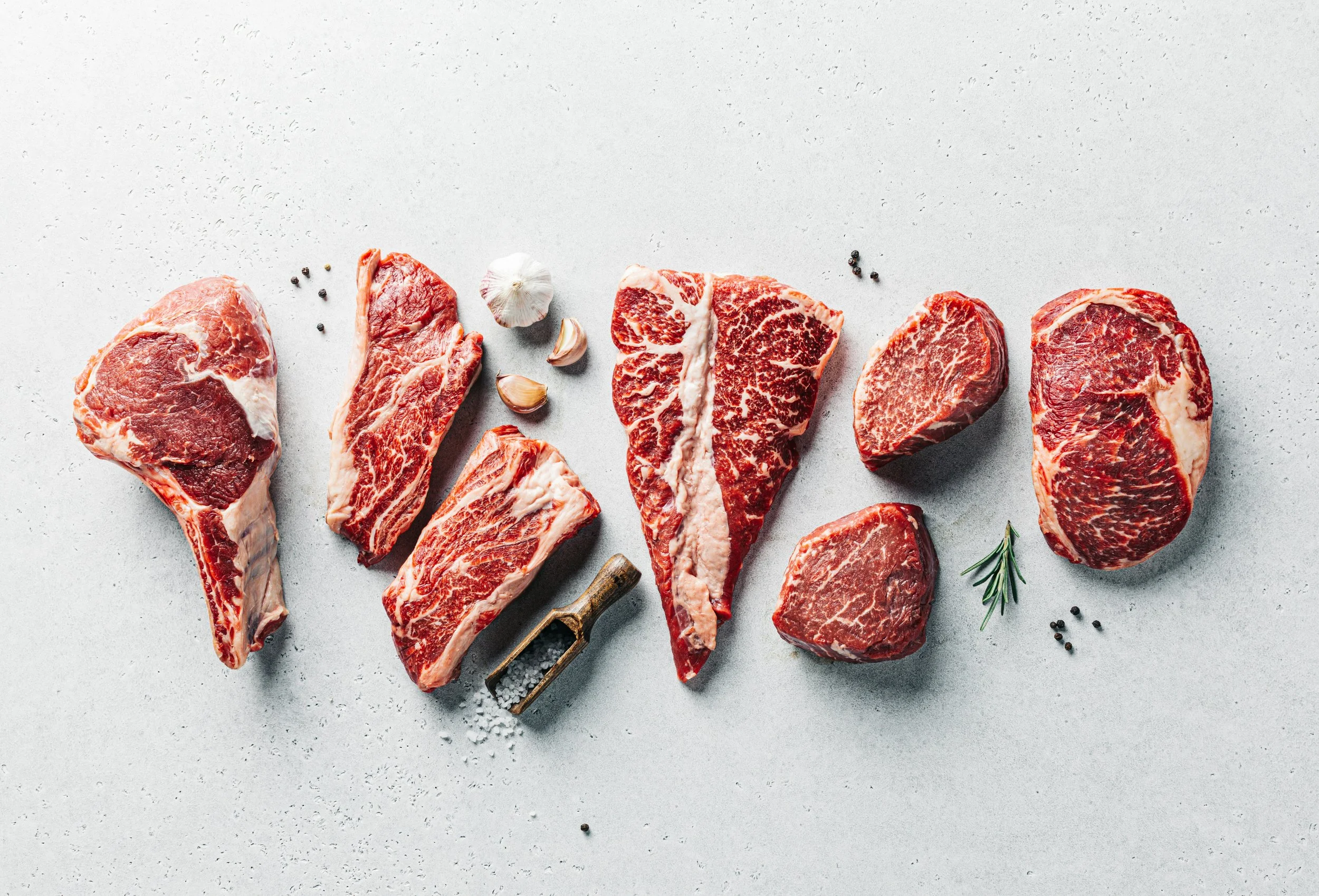
Red meat consumption and risk factors for type 2 diabetes: a systematic review and meta-analysis of randomized controlled trials
Lisa M Sanders, Meredith L Wilcox, Kevin C. Maki
Results from observational studies suggest an association of red meat intake with risk of type 2 diabetes mellitus (T2D). However, results from randomized controlled trials (RCTs) have not clearly supported a mechanistic link between red meat intake and T2D risk factors. Therefore, a systematic review and meta-analysis were conducted on RCTs evaluating the effects of diets containing red meat (beef, pork, lamb, etc.), compared to diets with lower or no red meat, on markers of glucose homeostasis in adults.
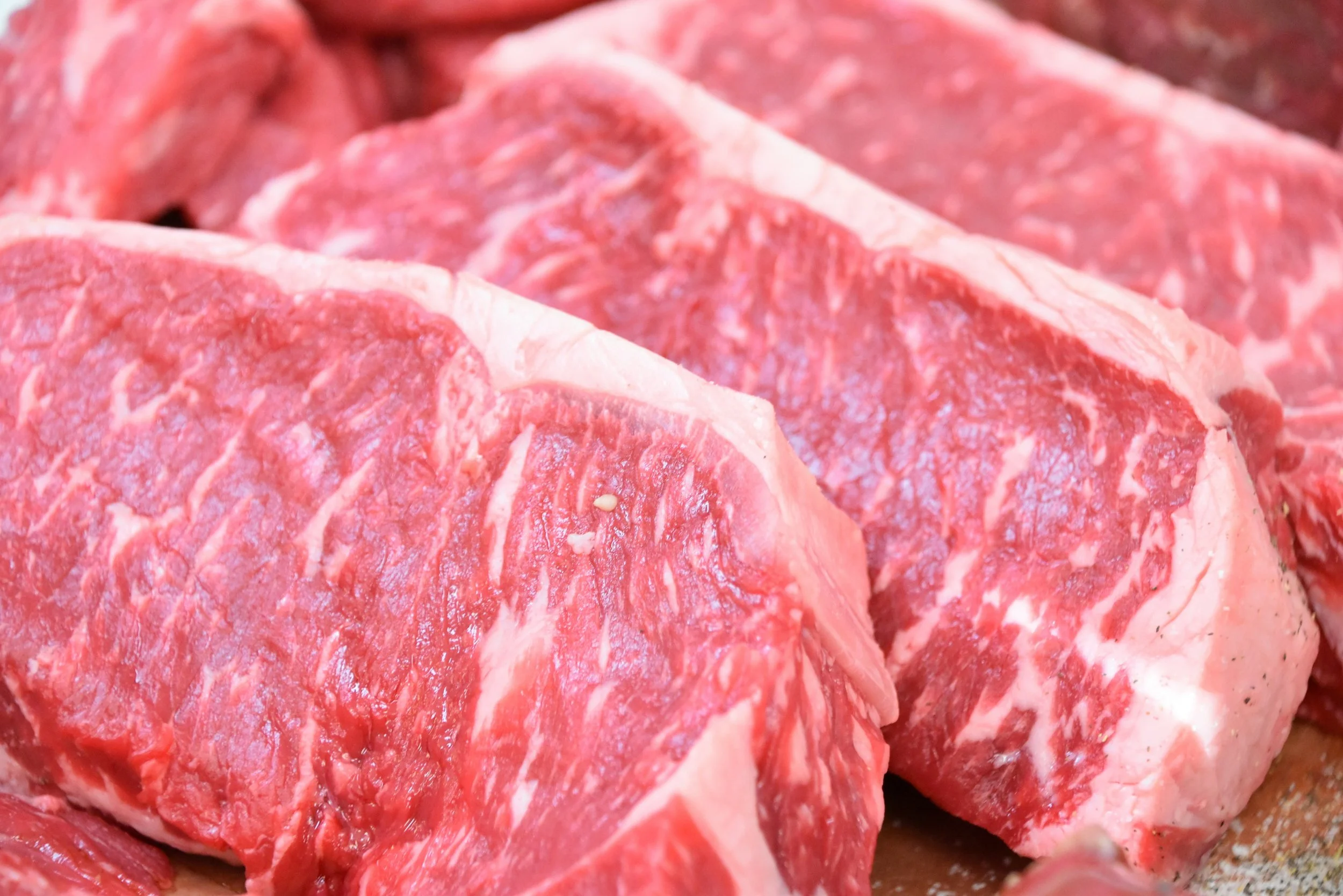
Beef consumption and cardiovascular disease risk factors: A systematic review and meta-analysis of randomized controlled trials
Lisa M Sanders, Meredith L. Wilcox, Kevin C. Maki
Results from observational studies suggest an association of red meat intake with risk of type 2 diabetes mellitus (T2D). However, results from randomized controlled trials (RCTs) have not clearly supported a mechanistic link between red meat intake and T2D risk factors. Therefore, a systematic review and meta-analysis were conducted on RCTs evaluating the effects of diets containing red meat (beef, pork, lamb, etc.), compared to diets with lower or no red meat, on markers of glucose homeostasis in adults.

Effects of varying protein amounts and types on diet-induced thermogenesis: A systematic review and meta-analysis
Liana L Guarneiri, Caryn G Adams, Bibiana Garcia-Jackson, Katie Koecher, Meredith L Wilcox, Kevin C Maki
Protein is the most thermogenic macronutrient, but it is unclear how different amounts and types of protein impact diet-induced thermogenesis (DIT). The purpose of this meta-analysis was to compare the impact of isocaloric meals/diets containing different amounts or types of protein on energy metabolism. Databases were searched in June 2024 for studies that compare DIT or total daily energy expenditure (TDEE) in response to isocaloric acute meals or longer-term diets containing different amounts or types of protein. After identifying 3894 records, 52 studies were included. Standardized mean difference (SMD) estimates and 95% confidence intervals (CIs) were calculated for each outcome. In acute studies, intake of higher compared with lower-protein meals resulted in greater DIT (SMD: 0.45; 95% CI: 0.26, 0.65; P < 0.001) and TDEE (SMD: 0.52; 95% CI: 0.30, 0.73; P < 0.001).