
Featured Publications
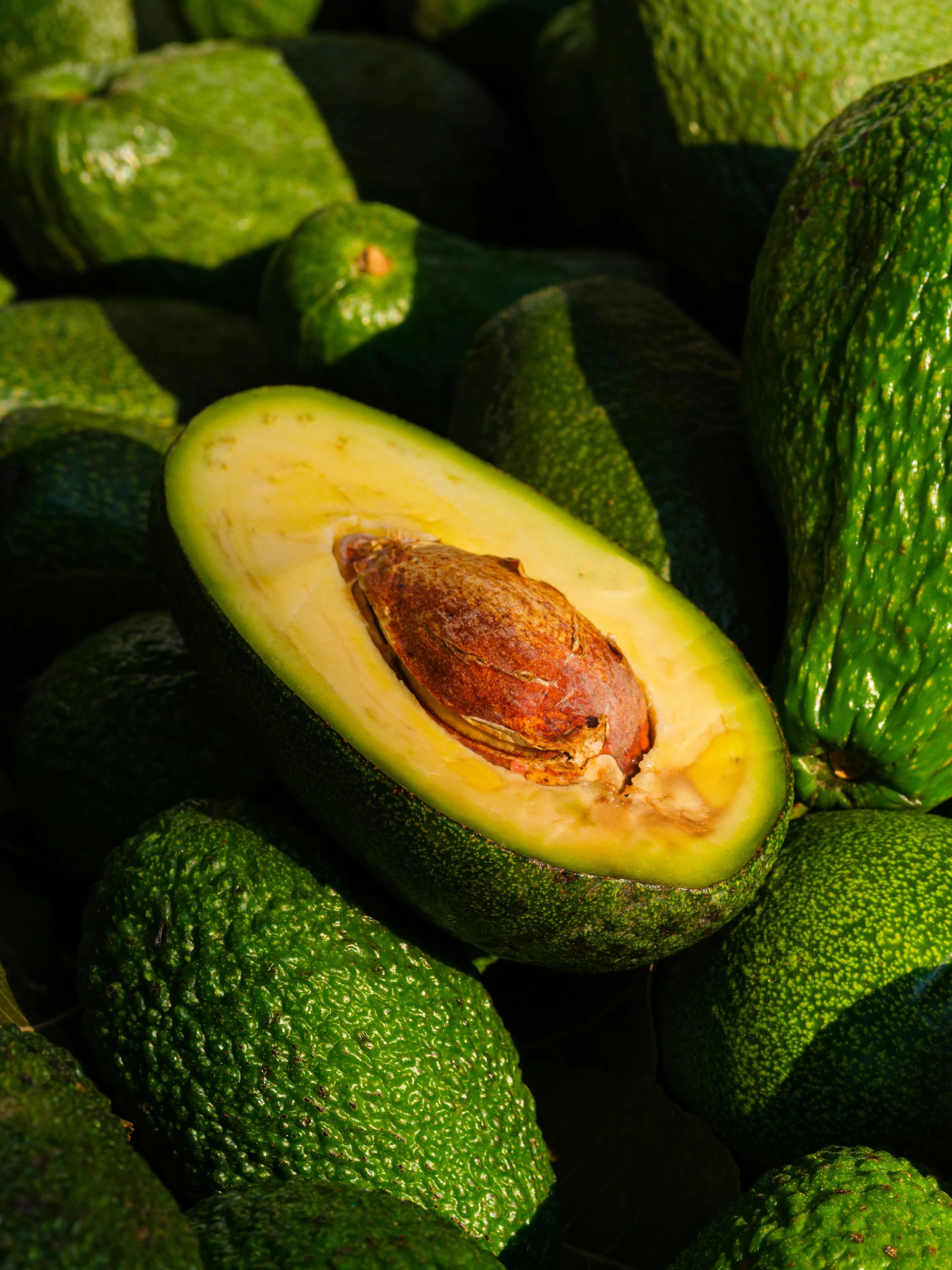
Effects of replacing solid fats and added sugars with avocado in adults with elevated cardiometabolic risk: A randomized, double-blind, controlled feeding, crossover trial
Nana Gletsu-Miller, Meredith L Wilcox, Lisa A Spence, Amy J Wright, Liana L Guarneiri, Muhammad M Nadeem, Mark J Hutter, Karen L Sprague, Andrew W Brown, Allon N Friedman, Carol F Kirkpatrick, Kevin C Maki
The purpose of this randomized, double-blind, free-living, controlled feeding, crossover study in adults with increased cardiometabolic risk was to assess the effects of replacing energy from solid fats and added sugars with equivalent energy from one avocado daily on cardiometabolic risk factors.

NLA Expert Clinical Consensus on apolipoprotein B recommends expanded clinical use and improved patient access
Kevin C Maki, P Barton Duell

Protein, fiber, and exercise: A narrative review of their roles in weight management and cardiometabolic health
Liana L Guarneiri, Carol F Kirkpatrick, Kevin C Maki
More than 40% of adults in the United States have obesity, which is an independent risk factor for cardiometabolic dysfunction and several chronic diseases, including atherosclerotic cardiovascular disease and type 2 diabetes mellitus. Interventions for obesity include lifestyle modification, pharmacotherapy, and metabolic surgery.

Food noise: Definition, measurement, and future research directions
Emily J Dhurandhar, Kevin C Maki, Nikhil V Dhurandhar, Theodore K Kyle, Sydney Yurkow, Misty A W Hawkins, Jon Agley, Emily H Ho, Lawrence J Cheskin, Thorkild I A Sørensen, Xi Rita Wang, David B Allison
The term food noise has been recently popularized by individuals managing their weight or adhering to specific diets for health reasons. Anecdotal evidence from patients and clinical observations suggests that food noise involves constant preoccupation with food-related decisions-such as which foods to eat, caloric intake, macronutrient balance, and meal timing-which can become intrusive and unpleasant.

From the Editors: Evolving landscape for management of chylomicronemia
Kevin C. Maki, P Barton Duell

The harms of high protein intake: conjectured, claimed, and presumed, but shown?
Stephen J French, Mitchell Kanter, Kevin C Maki, Bret M Rust, David B Allison
High-protein (HP) diets and protein-supplemented foods and beverages have become increasingly popular in adults due to potential benefits relating to appetite, energy intake, body weight, and body composition, and questions have been posed regarding whether current dietary recommendations for protein are too low.

The relationship of ready-to-eat cereal intake and body weight in adults: A systematic review of observational studies and controlled trials
Lisa M Sanders, Mary R Dicklin, Yong Zhu, Kevin C Maki
Results from observational studies indicate that consumption of ready-to-eat cereal (RTEC) is associated with higher diet quality and lower incidence of overweight and obesity in adults compared with other breakfasts or skipping breakfast. However, randomized controlled trials (RCTs) have had inconsistent results regarding effects of RTEC consumption on body weight and composition.

Statin-associated muscle symptoms: Identification and recommendations for management
Kevin C Maki, Carol F Kirkpatrick, Mary Katherine Cheeley, Terry A Jacobson
Statins are first-line pharmacotherapy for the treatment of elevated low-density lipoprotein cholesterol and are generally well-tolerated. However, some patients may experience statin-associated muscle symptoms (SAMS). This paper reviews recommendations for identification and management of patients with SAMS.

Perspective on the health effects of unsaturated fatty acids and commonly consumed plant oils high in unsaturated fat
Kristina S Petersen, Kevin C Maki, Philip C Calder, Martha A Belury, Mark Messina, Carol F Kirkpatrick, William S Harris
Epidemiological and clinical trial evidence indicates that n-6 polyunsaturated fatty acid (PUFA) intake is cardioprotective. Nevertheless, claims that n-6 PUFA intake promotes inflammation and oxidative stress prevail.

A randomized, double-blind, controlled trial to assess the effects of lactoferrin at two doses vs. active control on immunological and safety parameters in healthy adults
Ross D Peterson, Liana L Guarneiri, Caryn G Adams, Meredith L Wilcox, Anthony J Clark, Nathan P Rudemiller, Kevin C Maki, Carrie-Anne Malinczak
Recombinant human lactoferrin (rhLF) is of commercial interest for immune support as a food ingredient. The objective was to evaluate the immunogenicity/alloimmunization potential of Helaina rhLF (effera™) from K. phaffii over a 28-day period compared to bovine LF (bLF). Study 1 was a randomized, double-blind, parallel arm, controlled trial where 66 healthy adults were randomly allocated to 1 of 3 groups: high-dose rhLF (3.4 g/d), low-dose rhLF (0.34 g/d), or bLF (3.4 g/d). Participants completed a 28-day supplementation period with follow-up visits on Days 28, 56, and 84. Study 2 was a 12-week observational study with no intervention that enrolled 24 healthy adults.